Where Will the Next Great RV Park Markets Appear? By Frank Rolfe
Article Featured
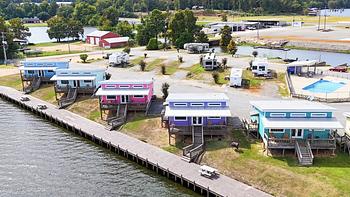
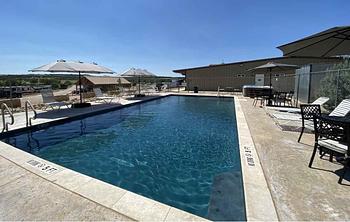
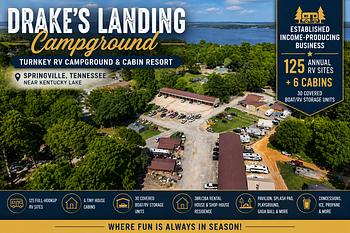
Destination RV parks are still very much a part of the industry. In fact, the concept has expanded. Some parks benefit from being near a major attraction, while newer RV resorts attempt to become the destination themselves through pools, events, recreation, cabins, and other amenities.
For an investor, the real opportunity is not simply finding a famous tourist town. It is identifying a market where visitor demand is growing faster than the available supply of quality RV sites.
What Makes a Strong Destination Market?
A true destination gives travelers a reason to stay several nights rather than simply stop overnight. This may include:
- National and state parks, lakes, beaches, and trail systems
- Theme parks, sports venues, festivals, and historic districts
- Popular small towns with dining, shopping, and entertainment
- Seasonal recreation such as fishing, skiing, boating, or off-roading
- A cluster of attractions that creates a complete vacation
The strongest locations typically have multiple demand generators. A park that depends entirely on one attraction is much more vulnerable if that attraction closes, loses popularity, or delays expansion.
Look for Evidence, Not Publicity
Nine years ago, an investor might have searched for announcements of a new amusement park or highway. That information still matters, but there are now better ways to measure whether demand is becoming real.
Study tourism statistics, campground reservation availability, hotel occupancy, traffic counts, local event calendars, short-term rental activity, and planned public infrastructure. Read city council agendas and tourism-development plans. Watch for new restaurants, lodging, marinas, trailheads, entertainment venues, and commercial construction.
The goal is to find a pattern of investment and visitor growth—not one exciting press release.
Buying Before the Market Fully Changes
Once a promising area has been identified, make a complete inventory of existing RV parks and potential development sites. Many attractive properties are never formally listed for sale, so direct contact with owners remains important.
However, do not pay today for income that may arrive years from now. The property should make reasonable financial sense based on current operations, with future destination growth providing the upside.
Make Sure the Park Fits Modern Demand
Location alone is not enough. Today’s guests commonly expect dependable utilities, online reservations, clean facilities, room for larger RVs, strong internet service, pet-friendly features, and convenient access to local attractions.
A poorly configured park near a growing destination may still require substantial capital before it can benefit from that growth.
Conclusion
Tomorrow’s destination RV park markets will not be found by guessing which attraction might become famous. They will be found by tracking measurable tourism growth, infrastructure spending, limited campground supply, and repeat reasons for visitors to stay longer.
The best investment is not a speculative property waiting to be rescued by the future. It is a workable RV park today that becomes significantly more valuable as the surrounding destination grows.
By Frank Rolfe
Frank Rolfe has been an active investor in RV parks for nearly two decades. As a result of his large collection of RV and mobile home parks, he has amassed a virtual reference book of knowledge on what makes for a successful RV park investment, as well as the potential pitfalls that destroy many investors.
Related Content
THE UNBENDING RULES OF RV PARK INVESTMENT MATH By Frank RolfeWhy Marketing Decides Profit in an RV Park By Frank Rolfe