Navigating the New Era of RV Park and Campgrounds and Investing
Article Featured
The outdoor hospitality industry is no longer just a "lifestyle" business—it has matured into a sophisticated, high-yield asset class. With the global RV rental market valued at $3.2 billion and domestic shipments projected to hit 349,300 units this year, the demand for high-quality pads has never been more intense.
On RVParkStore.com, we are seeing a shift: investors are moving away from simple land-holding and toward tech-enabled, experience-driven resorts. Here is the definitive guide to the trends and strategies defining the market.
1. The Rise of the "Roaming Resident"
As of today, the distinction between a "camper" and a "resident" has blurred. Remote work has evolved into a permanent nomadic lifestyle for a significant portion of the workforce.
- Connectivity is the New Utility: High-speed fiber-optic Wi-Fi is now as critical as water and sewer. Properties that offer "Remote-Work Ready" zones are commanding a 15–20% premium on monthly rates.
- Extended-Stay Stability: Savvy investors are hedging against seasonal dips by securing a baseline of "long-term nomads." This reliable monthly revenue covers fixed costs (like property taxes and debt service) before the peak-season tourist revenue even kicks in.
2. Amenity 2.0: The "Experience" Economy
The modern RVer isn't just looking for a place to park; they are looking for a destination. This year is the year of Revenue Diversification.
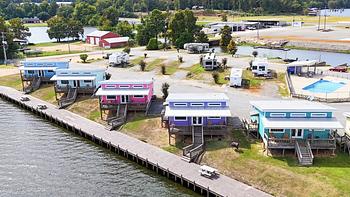
- Glamping Infill: Many owners are maximizing their ROI by adding "A-frame" cabins or luxury safari tents to unused acreage. These units can yield up to a 40% net margin compared to traditional RV sites.
- On-Site Profit Centers: From food truck bays and pickleball courts to "pet-spa" stations, ancillary services are now a major driver of Net Operating Income (NOI).
- Niche Communities: We are seeing a surge in "Boutique" parks catering to specific demographics—equestrians, overlanders, and 55+ active travelers—which benefit from high repeat-customer rates.
3. Technology and Automation as Baseline
Labor costs are the "silent killer" of margins. Automation is no longer a luxury; it is a survival tactic.
- Self-Check-In Systems: Digital gate codes and mobile apps like Campspot or ResNexus allow parks to operate with leaner front-desk staffing, saving an average of $40,000 annually in salary expenses.
- Smart Energy Management: With utility costs rising, sub-metering is the most effective way to protect your margins. Shifting electricity costs to long-term guests via IoT-enabled meters can instantly boost property value by reducing the owner’s variable expense by up to 35%.
4. Sustainability: The Green ROI
Today, "Going Green" is a financial strategy. Eco-conscious travelers are actively seeking parks with sustainable infrastructure, and lenders are offering better terms for "Green-Certified" assets.
| Sustainable Feature | Operational Benefit | Guest Impact |
| Solar Energy Arrays | Reduces common-area electricity bills. | Appeals to eco-conscious nomads. |
| EV Charging Stations | New revenue stream (pay-per-charge). | Essential for the growing EV-RV market. |
| Natural Landscaping | Lowers water consumption and maintenance. | Enhances the "outdoor immersion" feel. |
5. Financing and the Market Pulse
Capital is flowing back into the sector as interest rates stabilize around 6%. Investors are increasingly using 1031 exchanges to pivot out of volatile office or retail sectors and into the recession-resistant cash flow of outdoor hospitality.
- Cap Rate Insights: High-performing RV resorts are trading at cap rates between 7% and 9%, offering a significantly better risk-adjusted return than traditional multi-family housing.
- Dealer Partnerships: Seeing more "Point-of-Sale" financing partnerships where dealerships and parks collaborate to offer "Rent-to-Own" models for park model RVs, facilitating faster park infill.
Conclusion: Securing Your Future in Outdoor Hospitality
The RV park market belongs to the proactive. By embracing "Roaming Residents," automating operations, and investing in sustainable infrastructure, owners are transforming simple campgrounds into high-performance real estate portfolios.
Whether you are looking to acquire a 20-site boutique sanctuary or a 500-site institutional powerhouse, the data is clear: the road is paved with opportunity.
Ready to find your next investment?
View the latest RV Park for Sale on RVParkStore.com
Related Content
A FRESH LOOK AT "BUYING A JOB" BY INVESTING IN AN RV PARK By Frank RolfeBeyond Borders: The Global Appeal of RV Park Investments By Frank Rolfe