New Hampshire RV Parks for Sale: The 2026 Lakes Region Investor Blueprint
Article Featured
The commercial outdoor hospitality sector has solidified its position as one of the most resilient, high-yield asset classes within the real estate landscape. Driven by a structural shift toward experience-led travel and short-stay leisure, private campgrounds and RV resorts have experienced an unprecedented surge in institutional and private equity interest. Nationwide, the camping and caravanning market is projected to expand significantly, reaching an estimated $40.9 billion valuation, anchored by high-margin campsite rentals and resilient domestic demand.
Within New England, few markets command the prestige, historical draw, and premium pricing of New Hampshire’s Lakes Region. Positioned as a premier escape for the dense, high-income metropolitan areas of Boston, New York, and Connecticut, the state presents severe geographic and regulatory barriers to entry for new developments. Consequently, existing operational platforms carry insulated values.
For operators tracking top-tier acquisitions, the central directory of RV parks for sale in New Hampshire stands as the primary gateway for filtering high-potential, cash-flowing land assets across the state’s most coveted tourist corridors.
Spotlight Acquisition: Wiley Brook Campground, Wolfeboro, NH
Asset Profile & Tactical Value-Add Breakdown
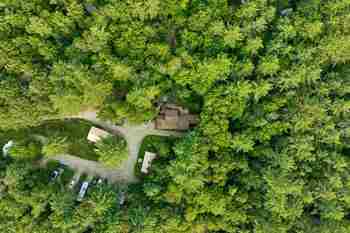
For investors seeking a stabilized footprint with massive intrinsic expansion levers, a premier institutional listing has emerged in Carroll County. Wiley Brook Campground, located at 883 Center Street, Wolfeboro, NH 03894, is currently positioned on the market for $3,500,000.
Core Operational Platform
- 84 total continuous acres
- 60 fully serviced, operational lots
- Sub-metered infrastructure (water, septic, electricity, and property-wide Wi-Fi)
- A 2,025-square-foot luxury owner's cabin built in 2015
Strategic Parcel Levers
- An extra 11-acre unbuilt infill lot ripe for amenity deployment
- 480 linear feet of pristine frontage along Wiley Brook
- Existing preliminary municipal approval for an additional 20+ sites
- Long-term development potential for residential housing infill
Infrastructure and Revenue-Generating Capabilities
Wiley Brook Campground spans a massive 84-acre continuous footprint within Wolfeboro—polled globally as "America’s Oldest Summer Resort"—situated directly on the shores of Lake Winnipesaukee. The core operational infrastructure features:
- 60 High-Utility RV Lots: Each individual site is engineered with dedicated underground water lines, independent on-site septic taps, modern electrical pedestals, and property-wide high-speed Wi-Fi infrastructure.
- Diversified Stay Formats: Supplementing the full-hookup pads, the property features rustic tent-camping zones, catering to the high-margin short-stay demographic looking for a simpler outdoor experience.
- On-Site Retail & Facilities: A centrally positioned camp store serves as an immediate cash-flowing retail node for ice, firewood, and propane sales, complemented by a fully plumbed, modern bathhouse facility.
The "Live-Where-You-Work" Premium
A major capital cost-mitigator for owner-operators is the inclusion of a premium, two-story owner's residence built in 2015. Spanning over 2,025 finished square feet, this contemporary cabin/cape structure features two bedrooms, two baths, two distinct living rooms, an enclosed sitting room, formal dining space, and an expansive covered porch.
This asset eliminates the need for external management housing allowances while providing a high-end personal estate directly integrated into the land footprint.
Monetization Strategies & Unlocked Upside
What elevates Wiley Brook Campground from a simple lifestyle asset to a professional value-add play are the explicit expansion levers embedded within the real estate:
1. The 20-Site Preliminary Infill Approval
The property comes with preliminary approval for an additional 20 fully serviced RV sites. Executing the civil engineering and infrastructure buildout on these sites allows a new owner to immediately boost the park's primary rental capacity by 33% without expanding the physical property line.
2. The 11-Acre Recreational Lot
Included in the 84-acre total is an unbuilt 11-acre parcel. This land is clean-slated for high-yield amenity deployment. Introducing modern resort infrastructure—such as a heated swimming pool, a custom playground, or high-trend pickleball courts—unlocks the ability to transition the property into a premium RV resort tier, justifying an aggressive lift in overnight rack rates across all 80+ final sites.
3. Digital Asset Optimization
The historic operations have relied primarily on a legacy, repeat-camper network. Implementing modern property management software (PMS) systems, dynamic nightly pricing models, direct online booking APIs, and localized social media marketing presents an immediate opportunity to capture high-margin transient bookings from affluent out-of-state travelers.
Macro Market Hotspots: New Hampshire Regional Analysis
When looking beyond Wolfeboro through the broader state directory, New Hampshire’s commercial outdoor hospitality assets split into three primary economic sectors:
1. The Lakes Region Corridor (Winnipesaukee, Squam, & Newfound Lakes)
This is the absolute epicenter of New England luxury lake tourism. Properties within Belknap and Carroll counties command the highest average daily rates (ADR) and revenue per available site (RevPAR). Demand is driven heavily by boating, water sports, and major summer events like Laconia Motorcycle Week, ensuring near-perfect occupancy from Memorial Day through Labor Day.
2. The White Mountains Adventure Zone (North Conway, Lincoln, & Gorham)
Positioned farther north, this market captures an extended, dual-season operating window. Campgrounds here cater to high-velocity outdoor recreation: mountaineering, fall foliage touring, and proximity to major attractions like the Mount Washington Cog Railway. Value-add plays in this sector frequently involve adding winterized cabins to capture shoulder-season hunters and winter snowmobile traffic.
3. The Great North Woods Frontier (Coos County)
Characterized by vast acreage, lower initial cost-basis, and pristine wilderness access. Properties in this sector offer heavy scaling opportunities for large-scale ATV/UTV-friendly campgrounds, capitalizing on the expansive regional trail networks that attract dedicated motorized recreation enthusiasts from across the northeastern seaboard.
Financial Underwriting Framework: Comparative Market Metrics
To assist institutional portfolio managers and private buyers in evaluating entry valuations, the table below highlights typical metrics found across New Hampshire's primary sub-markets based on active 2026 commercial cycles:
| Target Sub-Market Region | Average Site Count | Typical Utility Profile | Historical ADR Range | Core Operational Risk Factor |
| Lakes Region Gateway | 50 – 100 Lots | On-Site Well + Septic Networks | $65 – $120 / Night | Short, highly compressed summer operating window |
| White Mountains Corridor | 60 – 120 Lots | Mixed Municipal / Private Systems | $55 – $95 / Night | Strict seasonal winterization requirements |
| Great North Woods | 80 – 200+ Lots | Primitive / On-Site Septic Holding | $35 – $65 / Night | High distance from major metropolitan supply chains |
| Southern Seacoast Edge | 40 – 80 Lots | Full Municipal Tie-Ins | $70 – $110 / Night | High local property tax assessments |
Critical Risk Mitigation for New England Land Assets
Operators looking to deploy capital into New Hampshire must account for localized environmental and infrastructural elements to protect long-term yields:
1. Waterway Jurisdictions and Shoreland Protection Laws
Properties featuring natural water features—such as the 480 linear feet of frontage along Wiley Brook—are subject to the strict regulations of the New Hampshire Department of Environmental Services (NHDES) under the Shoreland Water Quality Protection Act. Any expansion, clearing of timber, or structural placement within 250 feet of the high-water mark requires explicit state permitting, making thorough upfront due diligence essential for value-add infill strategies.
2. Winterization Logistics and Asset Protection
Given New England's harsh winter cycles, seasonal parks must undergo precise winterization protocols by mid-October. This includes blowing out subterranean water grids, insulating pump houses, and specialized structural protection for the main bathhouses and camp stores. Ensuring your asset features a modern owner's residence built to year-round standards guarantees an operational staging hub during the off-season.
3. Alternative Land Use and Exit Strategies
A major safety valve for premier land holdings in high-demand markets like Wolfeboro is the underlying value of the real estate. An 84-acre parcel holding a favorable country setting near local hospitals, schools, and downtown shopping corridors provides an excellent exit strategy. If an investor chooses to exit the hospitality business down the road, the land carries strong alternative value for conversion into residential housing developments, providing a secure floor for the initial capital deployment.
Take Action on Your Next Acquisition
The window for capturing premium, unflagged outdoor hospitality assets in New England's top-tier recreational corridors is highly competitive. Whether your objective is scaling a regional portfolio by maximizing the capacity of a stabilized property or capturing a beautiful live-and-work asset on a historic creek bed, strategic execution requires immediate, verified data access.
Begin your structural evaluation by analyzing the full data parameters on the official repository for RV parks for sale in New Hampshire. Review active market options, align your capital with specialized lenders, and connect directly with dedicated listing agents to secure your foothold in the Lakes Region.
Related Content
Why Marketing Decides Profit in an RV Park By Frank RolfeWhy RV Parks Are the Hidden Gem of Real Estate Investing